
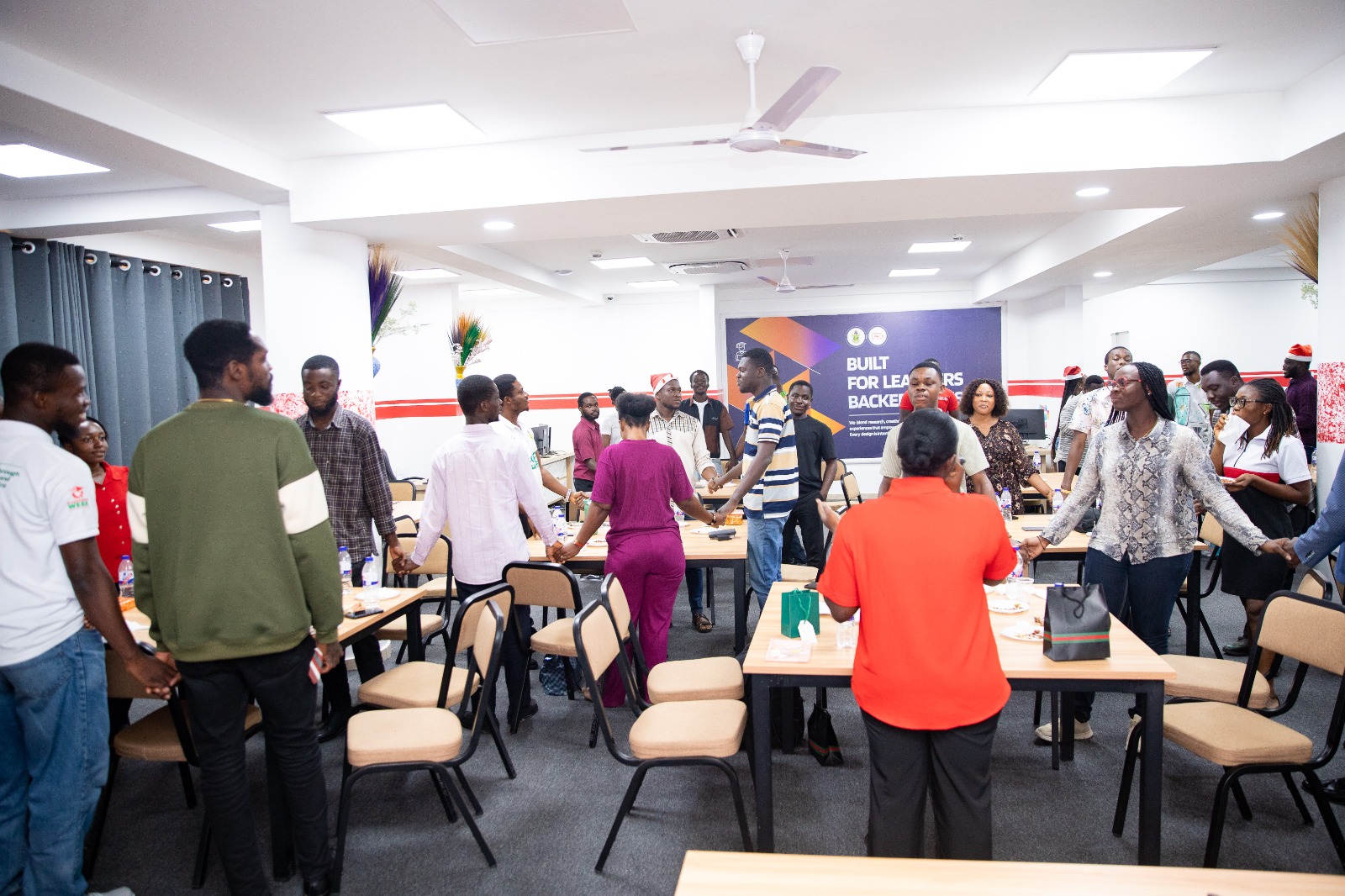
The KNUST E-Learning Centre has begun preparations for its 2026 plans following an end-of-year review that assessed progress made during the year and identified gaps requiring attention.
The meeting, led by the Director, Professor Emmanuel Kofi Akowuah, brought together staff from the Centre’s various units to account for activities over the past year and outline priorities for the next phase of work.
Professor Akowuah said the review was intended to move the Centre beyond day-to-day task execution towards a clearer sense of direction.
“It is easy to get lost in activities. We need to know how far we have come, where we are, and where we are going,” he said.
He said the Centre’s role in supporting teaching and learning across the Kwame Nkrumah University of Science and Technology required regular reflection, coordination and stronger internal relationships.
“We are here to reflect as a family,” he said, urging staff to speak openly about their work and challenges.
The Head of the Instructional Design Unit, Professor Nana Ewusi Mensah, said the unit had developed a guiding document to shape its work towards 2026. He noted that limited activity earlier in the year had affected output but said foundational work had now been completed.
“We have been able to come up with a document that will guide us come 2026. We expect to do more projects and support more staff,” he said.
Samuel Selorm Anane Avotri, speaking on behalf of the unit’s support staff, said the team continued to assist with the creation and repurposing of online course content. He said self-paced courses were being prepared for release on the University’s learning management system.
The Proctoring and Online Assessment Unit reported an increase in online examinations, with more students gaining access to computer-based assessments. Martin Sefa Ano said the unit had faced challenges but had strengthened its systems with support from management.
“We have learned a lot and improved our processes,” he said.
The Service Support Unit said it handled thousands of support requests through its ticketing system during the year, with average response times of a few minutes. Hilda Asare said the unit also supported short courses and online platforms used across the University.
Other units, including Fully Online Programmes, Training and Capacity Building, Media and Communication, and studio services, also presented summaries of their work, covering online classes, webinars, faculty training, content production and student engagement.
Clement Akanborige Ayidaana of the Media and Communication Unit said demand for content and student-focused engagement continued to grow. He encouraged staff to share ideas that would help present the Centre’s work more clearly to students and the wider University community.
Professor Akowuah said feedback from the meeting would inform decisions in the new year. He urged staff to document successes and challenges and to treat communication as part of daily work rather than an afterthought.
“If we do not reflect, we cannot make progress,” he said.
The Centre said outcomes from the review would feed into its operational plans for 2026, with emphasis on coordination across units, strengthened support for teaching and learning, and improved service delivery to students and staff.
By: Mona Lisa Frimpong


